| 图片 叶尔加瓦
图片 叶尔加瓦 在Panoramio的
|
|
旅游忠告和警告 叶尔加瓦
| History |
Jelgava town began developing in 1265 when Livonian Order Grand Master Konrad von Mender started building a new wooden castle on the Island of Lielupe River where today Jelgava is located. This place was named Mitau. At these days biggest enemy of Mitau was Lithuania. In 1345, Lithuanian duke Algirdas conquered Jelgava. Later in 1376, Lithuanian duke Kestutis attacked the land again. |
| Sights |
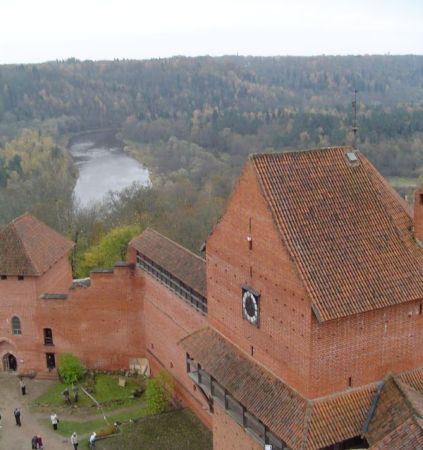
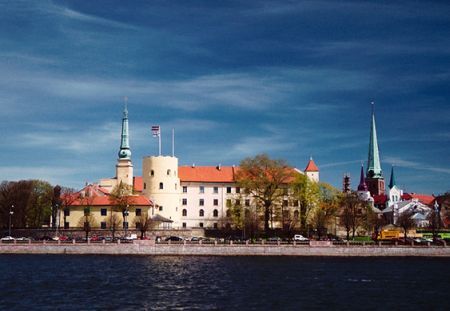
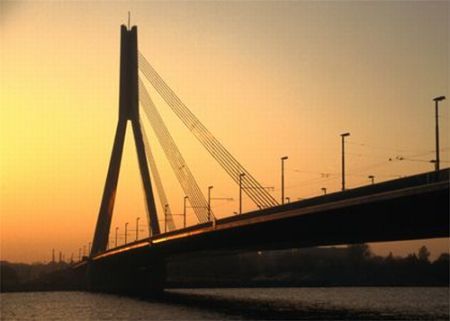
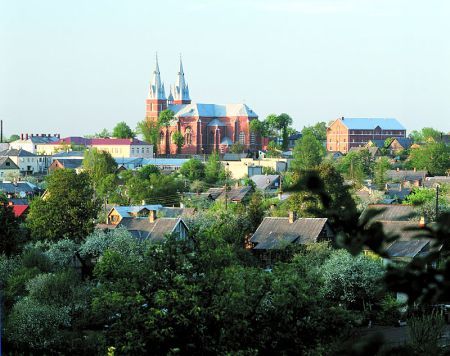
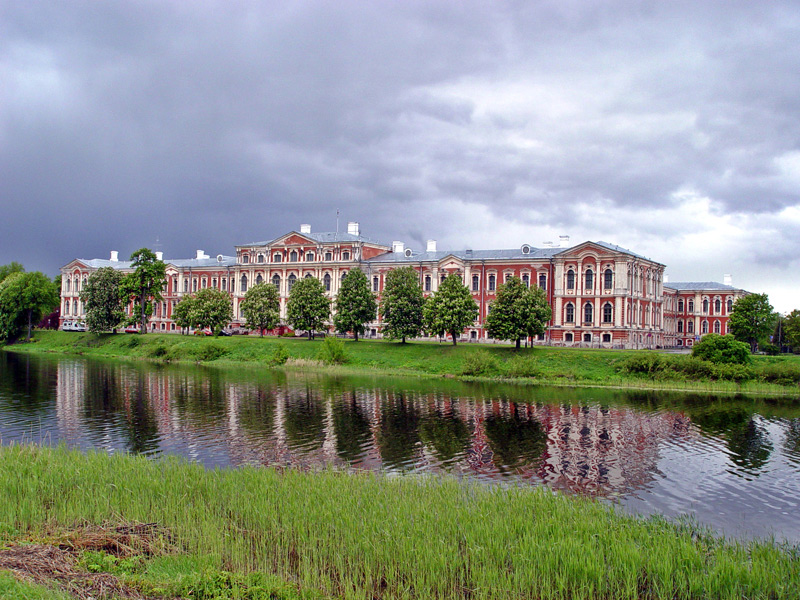
Jelgava town is located in Zemgale region about 45 km to south from Riga. More than 66. 000 inhabitants live in this historically significant town in the area of 60 square km. Jelgava is situated on banks of beautiful and wide river Lielupe, that is mouthing into the Gulf of Riga. Although though WWI and WWII destroyed 90% of the town, some historical monuments were preserved and rebuilt. Jelgava Palace, situated on the bank of Lielupe river, is one of the most visited sights in Jelgava. In winter, Jelgava becomes a land of ice, as in January-February monthes there is held an International Ice Sculpture Festival that attracts artists even from 26 countries from all over the world. |
| Tourism |
Jelgava [ pronounced Yelgava – see Language Tips ] , the capital city of Jelgava region, is situated only 42 km from Riga and is easily accessible by train, bus or microbus. Locals consider the microbus to be the fastest and most comfortable option, and these depart regularly from the central bus station in Riga. Many people choose to live in Jelgava because of its proximity to Riga.
For many centuries, Jelgava was politically the second most important town in Latvia. From 1574 to 1795 Jelgava (then called Mittau) was the capital of the Duchy of Courland, the previously independent western portion of Latvia. It was a major economic and trading centre. In the 17th century, Duke Jacob ordered water pipes to be installed throughout Jelgava, which testifies to the town’s prosperity, since water pipes were a rarity in Europe at that time.
During World War II, Jelgava lost two thirds of its population and witnessed the destruction of nearly 90% of its buildings. In the post-war period, the town was rebuilt according to typical Soviet design.
Luckily, the Jelgava Palace, designed by the outstanding Italian architect Franchesco Bartolomeo Rastrelli has managed to survive numerous wars. It is beautifully situated between two rivers, surrounded by a park. Palace construction took place from 1738 till 1772, and since then it has served many purposes. The Dukes of Courland were the first owners of Jelgava Palace, where they lived in great splendour |
| Cultura |
Last weekend of May is special to everyone here in Jelgava. Citizens and guests can plunge into our City festival that offers wide range of activities, including performances, shows, exhibitions, concerts and numerous parades.
A tradition already, the Crafts’ Day offers an extraordinary market hustle in the centre of the city – in Duke Jacob’s Square, bringing together hundreds of craftsmen, their apprentices and citizens willing to buy handmade goods.
Societies of national minorities and artists from twinning cities are most welcome guests, bringing spirit of friendship, various cultures and traditions to the city. |
|